Style
The Second Life of Luxury
Certified pre-owned has moved from the margins to the center of the market — and the world's great maisons are deciding to own it.
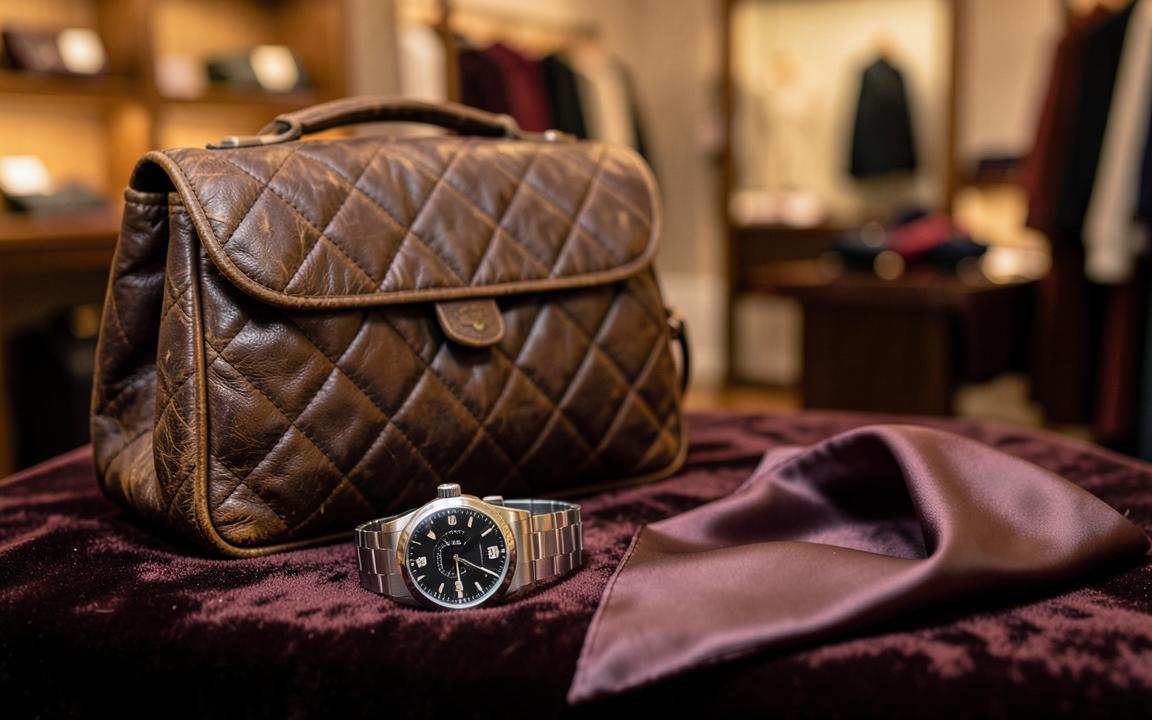
The most telling number in luxury this year is not about anything new. Nearly two-thirds of luxury clients say they would buy certified pre-owned directly from the brands themselves — and almost half say it would increase their trust in the maison. The second life of luxury has officially become part of its first.
The shift has been visible for years in watches and handbags, where resale moved from discreet dealers to a professionalized, authenticated market. What is new in 2026 is the attitude of the houses themselves: rather than tolerating the secondary market, the leading brands are entering it, certifying it and learning from it.
The logic is sound. A certified pre-owned program does three things a discount never could: it protects resale values, it introduces younger clients to the house at a gentler threshold, and it converts the sustainability argument from a press release into a working business line. An object that holds its value is, by definition, an object made well.
It also gives the maison something it has never had: data on what happens to its products after the sale. Which references are worn and which are stored. Which models come back for service and which come back for sale. Which clients trade up, and after how long. That feedback loop is quietly reshaping what gets made.
For collectors, the effect is already felt. Provenance and authentication now carry real weight; a watch with papers and a certified service history commands a measurable premium. The market is rewarding exactly what the industry always claimed to believe in — durability, craft and permanence.
The independent dealers are not being displaced by this, and the good ones know it. Certification by a house covers that house alone; a collector assembling across maisons still needs someone with an eye, a network and a willingness to say no. The two models are converging on the same standard rather than competing on it.
The risk sits with the middle of the market: products designed to be sold rather than kept, which the resale market prices with brutal honesty. A certified pre-owned programme is a public audit of how well a brand actually makes things.
The deeper change is philosophical. Luxury spent a century insisting its objects were forever. In 2026, the houses finally have to prove it — one re-sold, re-certified, re-loved piece at a time.