Watches
The Quiet Complication
Independent watchmaking's best year in a decade, judged on the wrist rather than the auction block.
Independents have spent five years being treated as an asset class. The correction, when it came, was healthy — and it has left the field in the best condition it has been in for a decade.
What remains, once the speculative money has moved on, is a set of workshops making genuinely difficult objects for people who intend to wear them. Order books have lengthened for the right reasons: not because a flipper wants an allocation, but because a maker refuses to raise output beyond what two hands and a small bench can properly finish.
The technical story this season is about restraint in the movement rather than escalation. Fewer tourbillons for their own sake; more attention to chronometry, to power reserve stability, and to the parts nobody photographs — the finishing on the underside of a bridge, the geometry of a click spring, the feel of a winding crown after ten thousand turns.
Case size has settled, finally, into sanity. Thirty-six to thirty-nine millimetres is once again the centre of the market for dress pieces, and the makers who resisted the inflation of the last cycle are being rewarded for it. Thinness, not diameter, is the current arms race, and it is a far more interesting one because it is genuinely hard.
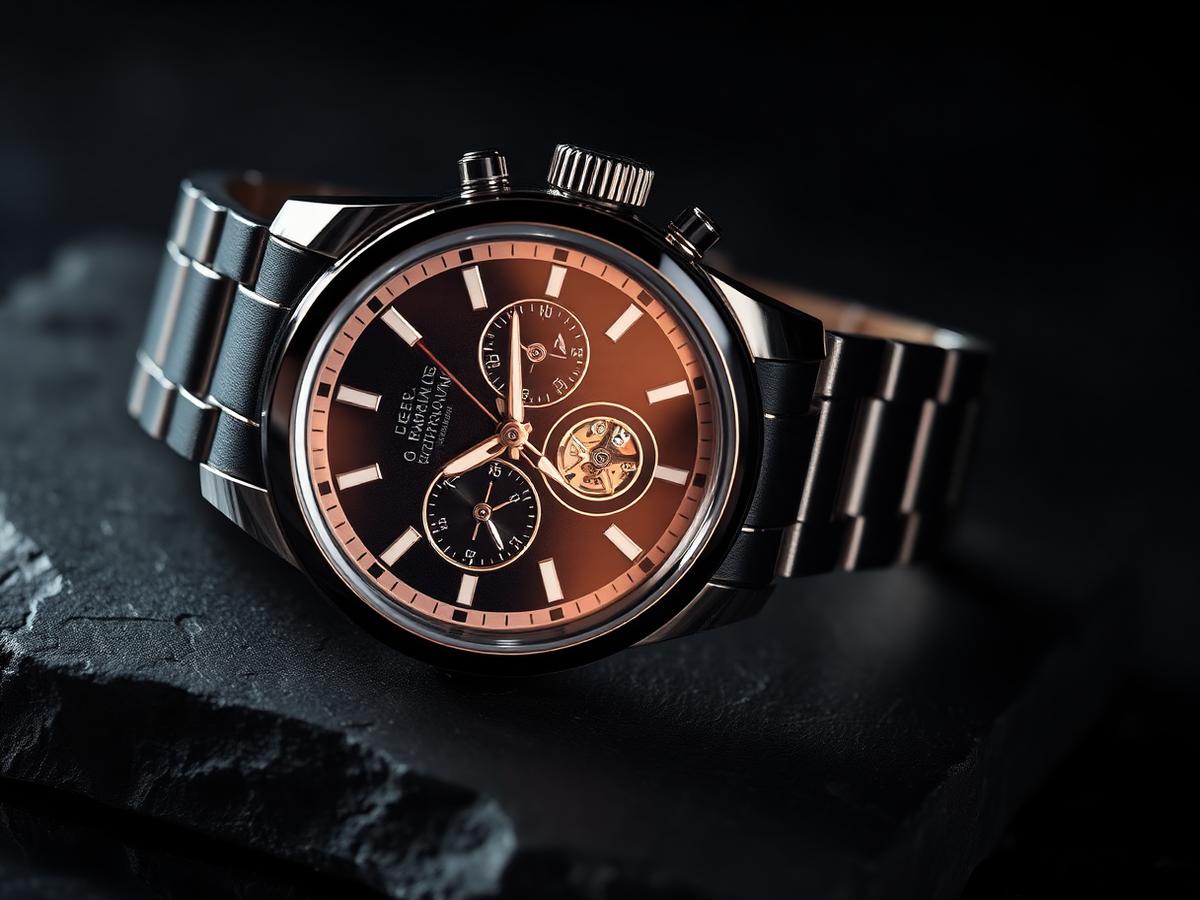
Dials are where taste is being expressed. Grand feu enamel remains the benchmark and remains brutally unforgiving — a firing failure rate that would close most businesses. Beyond it: hand-guilloché in patterns that take a week, salmon and slate tones that read differently in every light, and a return to printed rather than applied minute tracks.
Three releases this season are worth the wait list, and they share a quality: they are quieter than their predecessors. A time-only piece with a movement that would have justified a complication. A perpetual calendar that has removed a subdial rather than added one. A chronograph with a pusher action so precise it has become the whole argument for the watch.
The service question deserves more attention than it gets. Buying from a workshop of eight people means committing to a relationship that must survive twenty years and, eventually, a change of generation. The best independents are now publishing service intervals, holding parts stock, and training successors in public — which is exactly the kind of unromantic infrastructure that turns a maker into a house.
On value: the market has stopped rewarding hype and started rewarding scarcity that is real. Pieces with documented production runs in the low hundreds, complete papers and a service history are holding firm; anything whose price was a function of social media velocity has come off substantially, and is unlikely to return.
For a first purchase in the category, the honest advice is unfashionable. Do not chase the name with the longest list. Visit two workshops, handle four watches, and buy the one you can imagine still winding in fifteen years. The rest is a market, and markets move.
The best news is the state of the bench itself. Schools in Switzerland, Germany and increasingly Japan are turning out finishers who can actually finish, and the independents are hiring them. A field is only as healthy as its next generation, and on that measure this is the strongest year in a decade.