Clubs
The New Private Club Is Not Selling Exclusivity
A wave of members' houses has replaced the velvet rope with programming, workspace and a carefully curated membership.
The private club spent the 2010s being reinvented as a photogenic hotel lobby with a membership fee. The current generation has gone in the opposite direction: quieter rooms, tighter membership, no cameras, and a programme that gives people a reason to come on a Tuesday.
The economics explain much of it. A club that fills only on Friday nights is a restaurant with extra steps. The houses performing best have built weekday demand — workspace that is genuinely good, meeting rooms that can be booked in ten minutes, a gym worth using, a kitchen that does a proper lunch.
Membership committees have returned, and they are working harder than they did. The selling point is no longer the address but the room: who else is in it, and whether a member can introduce a client without explaining the place first. Several houses now cap membership by sector to avoid becoming a single industry's canteen.
Programming is the differentiator. Not celebrity appearances, but a reliable calendar of the things members actually attend: tastings, small dinners with a subject, briefings on the markets, a Sunday lunch that families can use. Attendance data has become the metric that matters more than applications.
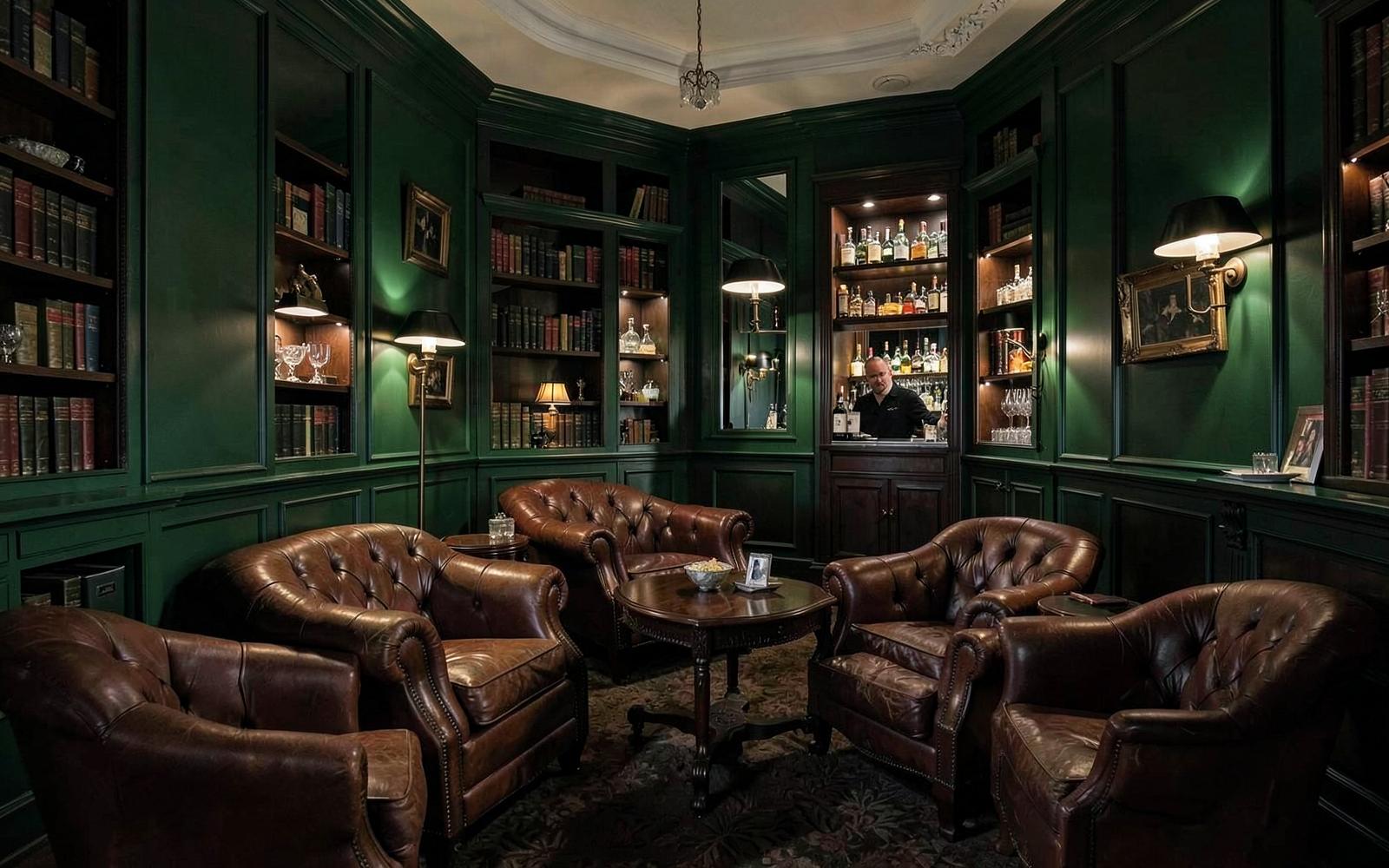
Design has moved decisively away from spectacle. Fewer statement pieces, more places to have a conversation without being overheard. Acoustic treatment is the most requested and least visible investment in the category. The best new rooms are dim, soft and slightly old-fashioned, on the reasoning that people relax in rooms that are not looking at them.
Reciprocity has become the sharpest competitive weapon. A member in London wants a desk in Milan and a table in New York without a second subscription, and the networks assembling credible reciprocal access are winning applications from houses with far grander buildings.
The risk in the category is over-supply, and it is already visible in a handful of cities where three or four houses are competing for the same two thousand people. Consolidation will follow, and the survivors will be the ones with genuine weekday utility rather than the ones with the best terrace.
For anyone considering an application, the useful test is unglamorous: visit at 11am on a Wednesday. A club that is pleasant and half-full then is a club worth joining. A club that is empty is a nightclub with a joining fee.