Dining
The Rise of the Neighbourhood Cellar List
Small restaurants are quietly assembling wine lists that rival the grand rooms — and pouring them at prices that make sense.
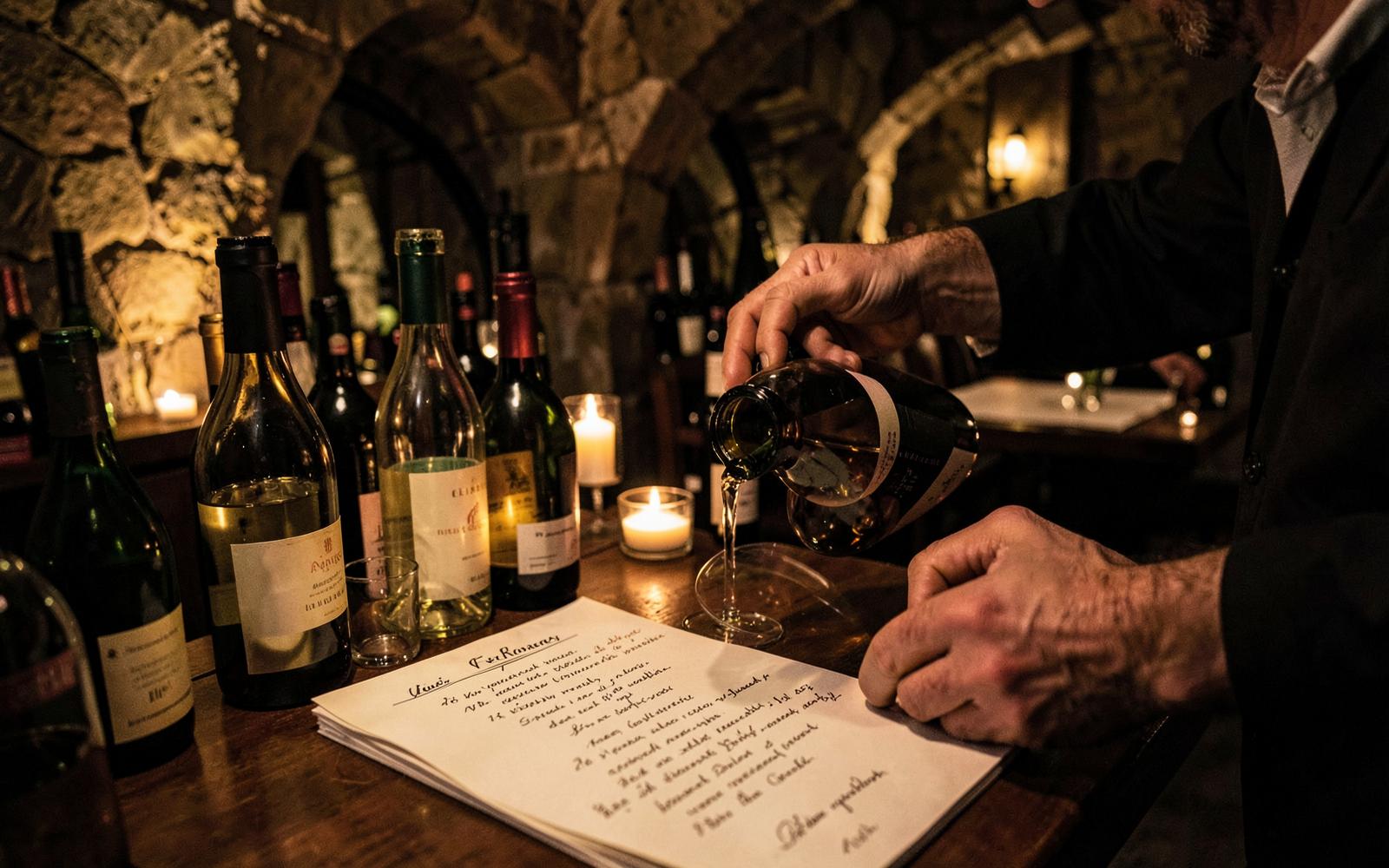
For most of the last thirty years, a serious wine list meant a serious restaurant: white cloth, a leather folder, a sommelier with a tastevin and a markup to match. That association has broken, and the breaking has been very good for anyone who likes to drink well.
The new model is the neighbourhood cellar list — forty covers, no cloth, and eight hundred references in a basement assembled over a decade by an owner who buys as a collector rather than as a buyer.
The economics behind it are unusual. Wine bought on release and held for ten years carries no interest cost if it was bought out of cash flow, which means a bottle can be poured at a multiple of its original price and still look extraordinary against current market value. The customer sees a mature wine at a fair number; the restaurant sees a healthy margin. Both are correct.
The lists themselves are idiosyncratic in a way that grand hotels cannot be. Depth in one or two regions rather than tokenism across twelve. Vertical runs of a single grower. Half a page of things nobody has heard of, priced to be experimented with. And, increasingly, a serious by-the-glass programme made possible by preservation systems that were prohibitively expensive five years ago.
Service is where the difference is felt. There is no ceremony, but there is knowledge — usually the owner's, offered conversationally, with a willingness to talk you down in price rather than up. The most reliable indicator of a good cellar list is being recommended something cheaper than the bottle you asked about.
Corkage culture has evolved alongside it. A number of these rooms welcome collectors bringing their own bottles for a fair fee, on the reasoning that a guest who brings a great wine is a guest who will also buy from the list, and will come back with friends.
For diners, a short field guide. Look for vintage depth rather than label recognition. Check whether the by-the-glass selection changes weekly. Ask what the owner is drinking at home. And be suspicious of any list that offers everything — breadth without depth is a wholesaler's list, not a cellar.
The trend has a limit, and it is physical: cellars are finite and the wines being poured now cannot be replaced at the prices they were bought. Several owners we spoke to are already rationing their best verticals, which is both a warning and an invitation.
In the meantime, the best glass of aged wine in most cities is being poured in a room with paper napkins by someone who bought it a decade ago because they wanted to drink it themselves. That is a considerable improvement on how things used to be.