Wellness
The Longevity Check-In
From Alpine clinics to destination spas, wellness travel is the fastest-growing segment of the industry — and it is getting far more clinical.
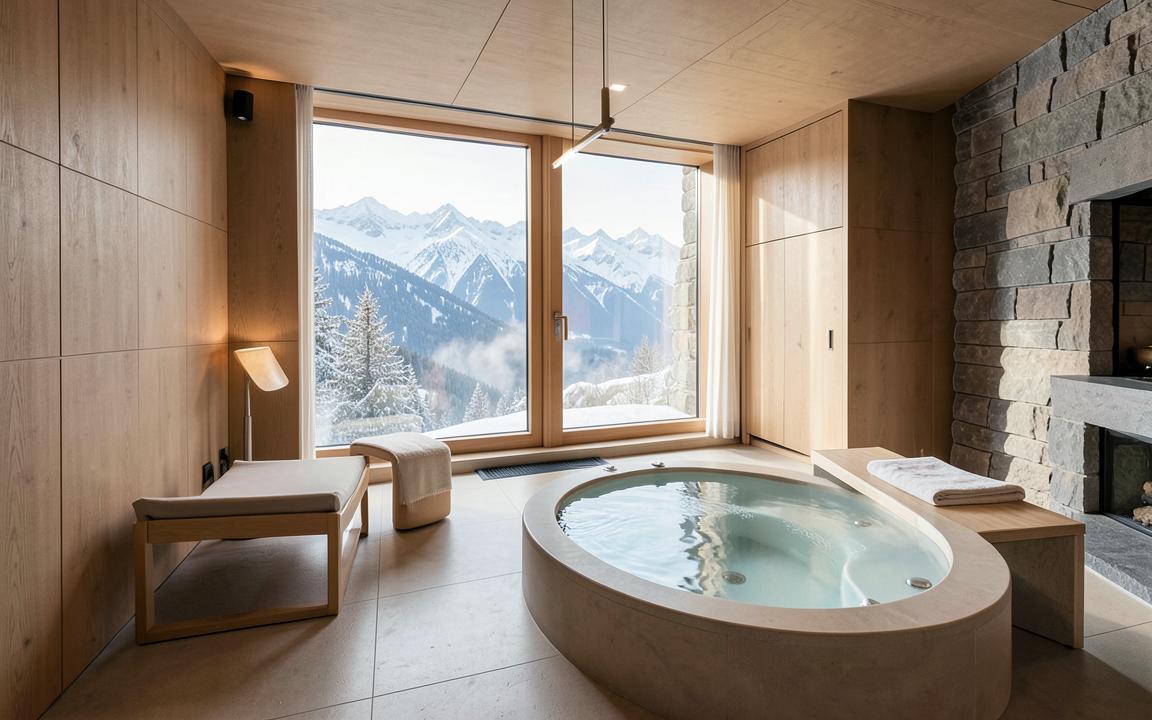
Wellness tourism is no longer the soft edge of the travel industry — it is one of its fastest-growing segments, projected to pass $1.4 trillion globally within the next two years. But the more interesting story is what the word wellness now contains.
The 2026 traveler arrives with data. Longevity clinics across Switzerland and beyond now run multi-day diagnostics alongside the thermal baths: full blood panels, VO2 max testing, body composition analysis, sleep studies. Cryotherapy and hyperbaric sessions sit on the same itinerary as the mountain walk. The spa week has quietly become a medical retreat with better food and a view of the Alps.
Luxury hotels have moved fastest. The leading properties are hiring clinical directors, building recovery floors, and designing programs that a guest can continue at home — because the real competition is no longer the hotel next door but the client's own health data, reviewed quarterly.
The pricing reflects the shift. A diagnostic week at a serious clinic now costs what a fortnight in a grand hotel used to, and the guests booking it describe the spend in the language of maintenance rather than holiday. Repeat rates are correspondingly high: this is a category people return to annually, which is why hoteliers find it so attractive.
A note of caution belongs here. The evidence base behind individual longevity interventions varies enormously, from well-established (sleep, cardiorespiratory fitness, strength) to genuinely speculative. The best clinics are candid about the distinction; the weakest sell certainty. A programme that begins by telling you which of its offerings are experimental is a programme worth booking.
And yet the counter-current is just as strong. Alongside the high-tech pursuit of longevity, travelers are craving the low-tech opposite: silent retreats, dark retreats, long walks, cold water and genuinely disconnected days. The most sophisticated properties now sell both, sometimes to the same guest in the same week.
What both halves share is measurement of a kind hotels never used to attempt — a baseline on arrival, a plan on departure, and a follow-up that arrives six weeks later. Hospitality is learning to behave like a practice.
The through-line is intentionality. Whether the goal is a longer life or simply a quieter one, the check-in of 2026 begins with a question hotels never used to ask: what, exactly, do you want to change?