Yachting
The Charter Week, Rethought
Smaller boats, shorter passages and better crews — how the yacht charter has become a travel product rather than a status object.
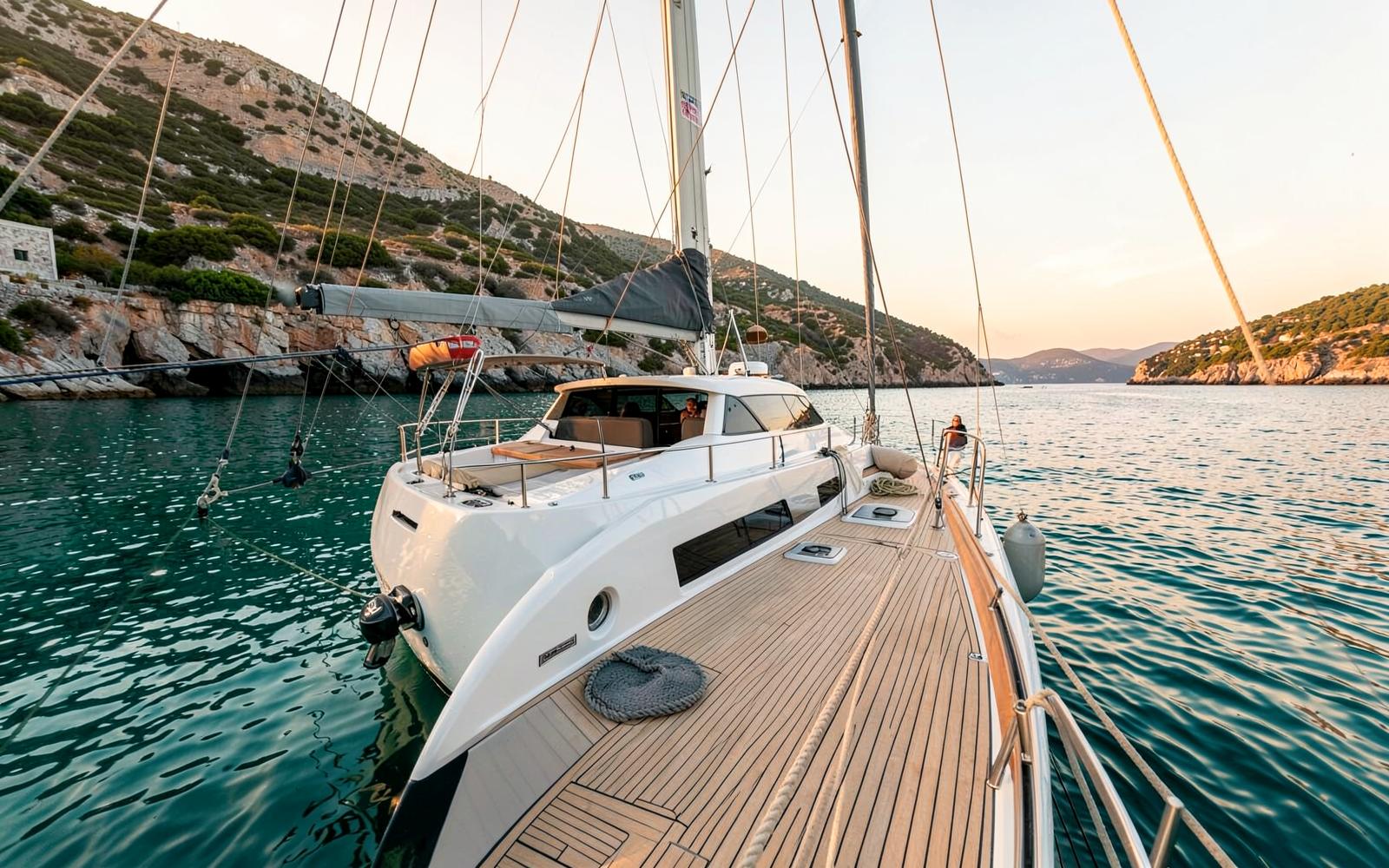
The most common mistake in chartering is buying length. Clients arrive with a metre figure in mind, book the biggest boat the budget allows, and discover that a large yacht is a wonderful hotel and an awkward way to see a coastline.
The charter market has spent the last few seasons correcting for this, and the correction favours the guest. Brokers report growing demand for smaller, more capable boats with better crews, shorter passages and itineraries built around anchorages rather than marinas.
The reasoning is practical. A boat that can enter a shallow cove, tender to a beach in five minutes and move on before lunch delivers more of what people came for than one that must berth in a commercial port and arrange cars. Draft, tender quality and manoeuvrability now feature in briefs where only length used to.
Crew is the variable that decides the week, and it is the one clients scrutinise least. A chef who cooks the region rather than a hotel menu, a captain who knows which bay is protected when the wind turns, and a deckhand who can teach a nine-year-old to foil: this is the difference between a good charter and an unforgettable one. Ask for the crew's CVs before the boat's specification sheet.
Sail versus motor is less a philosophical question than a schedule one. Sailing yachts reward groups willing to move slowly and be part of the day; motor yachts reward those covering distance or travelling with people who want the water to be flat. The hybrid answer — a performance sailing yacht with a serious engine and a proper tender — has become the most requested configuration in the Mediterranean.
Costs deserve plain language. The advertised weekly rate is the beginning: expect an advance provisioning allowance of roughly a quarter to a third on top for fuel, food, berths and port fees, plus a customary crew gratuity. Brokers who explain this at the first conversation are the ones to keep.
Itineraries are shifting east and off-peak. The Aeolians and the Ionian in June, the Dodecanese in September, Turkey's Gulf of Gökova either side of high summer. The famous anchorages in August are now a logistical exercise; the same coastlines six weeks later are what everybody imagines when they book.
One further trend is worth noting: charter guests are increasingly asking about the boat's environmental profile — hull efficiency, shore power, waste handling, and whether the crew has a policy on anchoring over seagrass. The best operators answer without defensiveness.
Rethought this way, the charter stops being a display and becomes what it always should have been: the most flexible way to travel a coastline, at the pace of the weather, with a small team looking after you.