Travel
September Is the New August
The world's most seasoned travelers have quietly moved their holidays to autumn — and the industry is reorganizing itself around them.
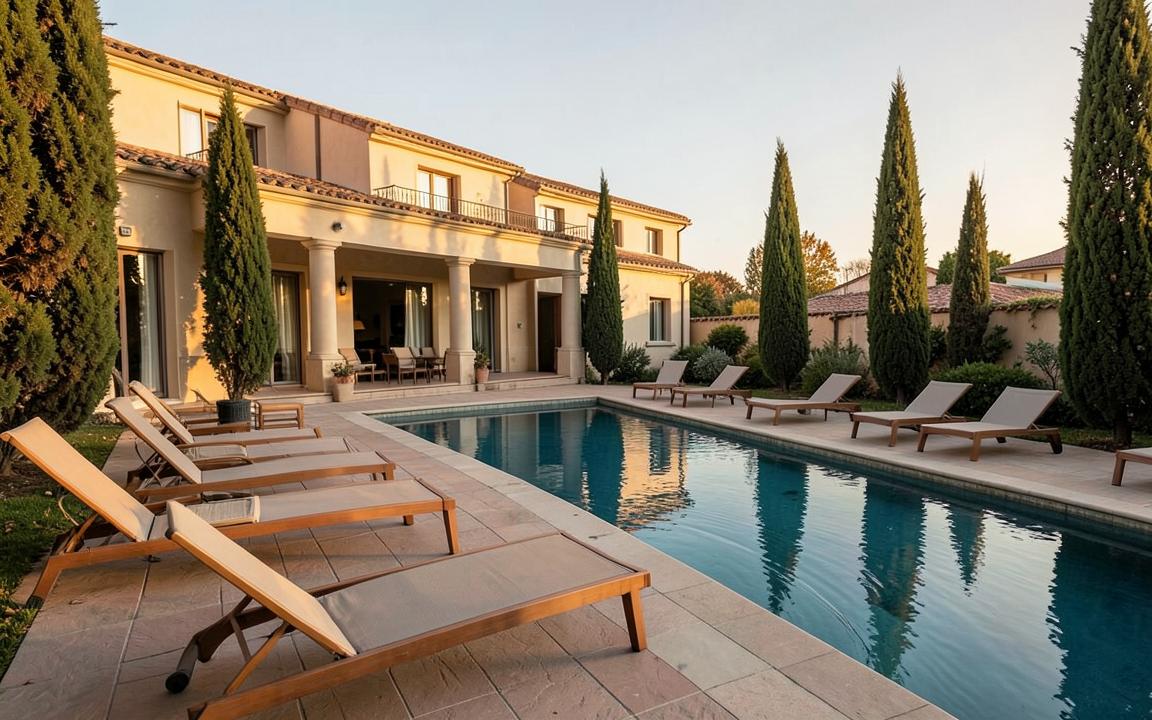
The smartest booking in luxury travel this year was not a place. It was a date. Across the Mediterranean, the most sought-after suites and villas are now at their fullest not in July but in the weeks after Labor Day, as affluent travelers move their holidays to September and October to escape the crowds, the heat and the queues.
The shift has been building for years, but 2026 is the season it became structural. Luxury travel networks report autumn departures rivaling — and in some destinations overtaking — the traditional summer peak. The clientele driving it is not price-sensitive; it is experience-sensitive. They have discovered that the same coastline, the same hotel and the same table are simply better when everyone else has gone home.
Climate is part of the calculation and nobody in the industry pretends otherwise. Successive summers of extreme heat across southern Europe have made August afternoons genuinely unpleasant in places that built their reputations on them, while late September now delivers the weather August used to.
The economics are quietly elegant. September delivers warm seas, softer light, full staffing and unhurried service — at a moment when the same properties were turning people away eight weeks earlier. Restaurants that required a two-month wait in August answer the phone. The coast road is drivable. The concierge has time to be one.
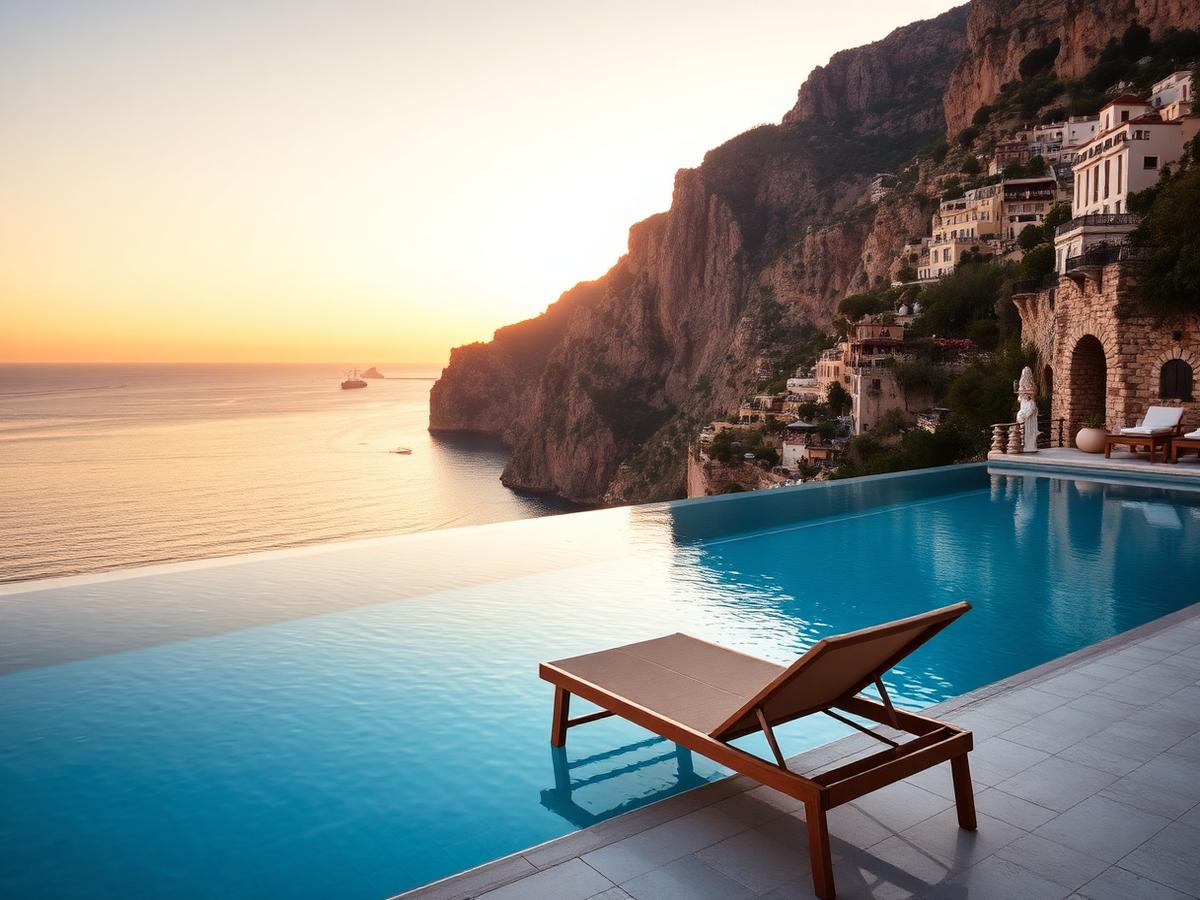
Hoteliers are responding in kind: later season closings, autumn residencies for chefs, harvest programming in wine country and extended villa seasons from the Amalfi Coast to the Cyclades. The industry's center of gravity is sliding a full month later, and the properties that understood it first are having their best autumns on record.
There are second-order effects worth watching. Staff contracts are lengthening, which improves service quality because teams stay together longer. Suppliers are extending their seasons. And a handful of destinations that were effectively three-month businesses are becoming five-month ones, with the investment case that follows.
The obvious risk is that the secret stops being one. If autumn becomes the new peak, its advantages erode — and the early signs of that are visible in the most photographed towns, where late September now feels like early August did five years ago. The travelers who move first will simply move again, to October, or to the destinations that never had a peak at all.
The lesson travels well beyond the calendar. Luxury in 2026 is less about what everyone wants at the same moment and more about having the judgment to want it at a better one. September is simply where that judgment shows up first.