Jewellery
Colour Returns to Fine Jewellery
Collectors are moving past the diamond, and the market for unusual coloured stones has never been more competitive.
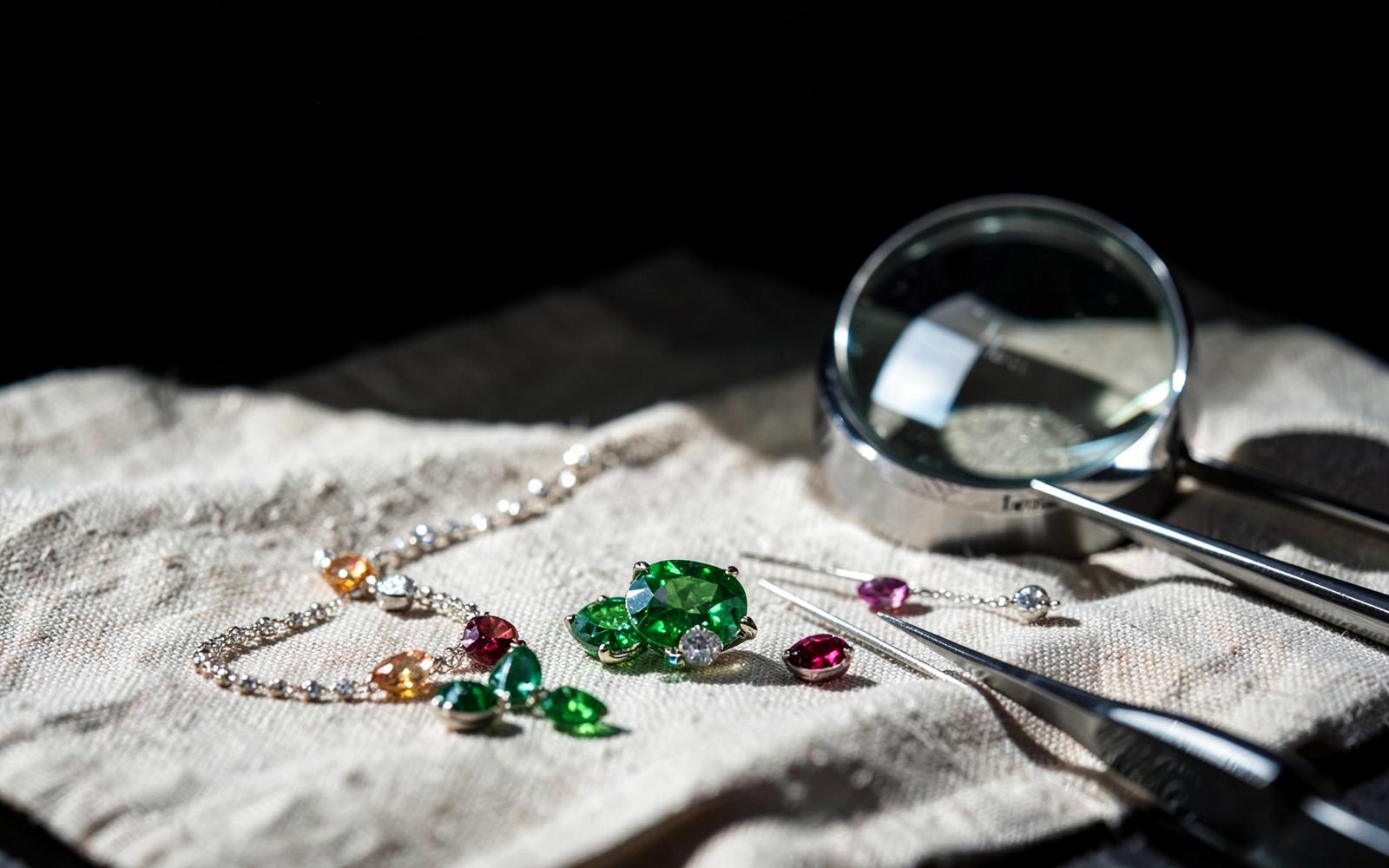
For most of the modern era, the diamond was the default and everything else was decoration. That hierarchy is being dismantled, and the auction results of the past two seasons have made it official: the strongest competition in fine jewellery is now for coloured stones of exceptional quality.
Part of the story is supply. The great historic sources for certain stones are effectively exhausted, and the material coming to market is increasingly from collections rather than mines. Scarcity that cannot be manufactured is exactly the kind the top of the market rewards.
Part of it is taste. A generation that finds a large white diamond somewhat impersonal is drawn to stones with character — a Kashmir-blue sapphire, a vivid spinel, a Paraíba tourmaline, an unheated ruby with a colour that changes across the day. These are objects with an argument, not simply a specification.
The technical vocabulary matters more here than anywhere else in jewellery, and buyers should learn it. Origin, treatment and clarity type drive value enormously: an unheated stone with a credible laboratory report can be worth a multiple of a treated stone that looks identical to the eye. Two independent reports on any serious purchase is not paranoia, it is standard practice.
Setting has evolved to suit. Lighter mounts, open backs to let light through the stone, less pavé, and a general preference for designs that frame rather than crowd. A number of independent ateliers have built their reputations entirely on knowing when to do less.
The independents are, in fact, the most interesting part of the market. Small houses buying rough directly, cutting to bring out colour rather than maximise carat weight, and producing perhaps forty pieces a year. Their clients are typically collectors who have bought the icons and want something nobody else can order.
On wearability, a practical caution. Hardness varies dramatically across the coloured stones; emerald and opal in particular demand a different relationship with daily wear than sapphire or spinel. A good jeweller will tell you this before the sale, not after the first chip.
Where to start: buy the best single stone you can rather than a larger piece with several mediocre ones, insist on documentation, and buy colour you actually love in daylight. The market's current enthusiasm will move on to something else eventually; the stone will not.